
Solid Timber, Engineered or Laminate: Which Floor Suits Your Home This Winter?
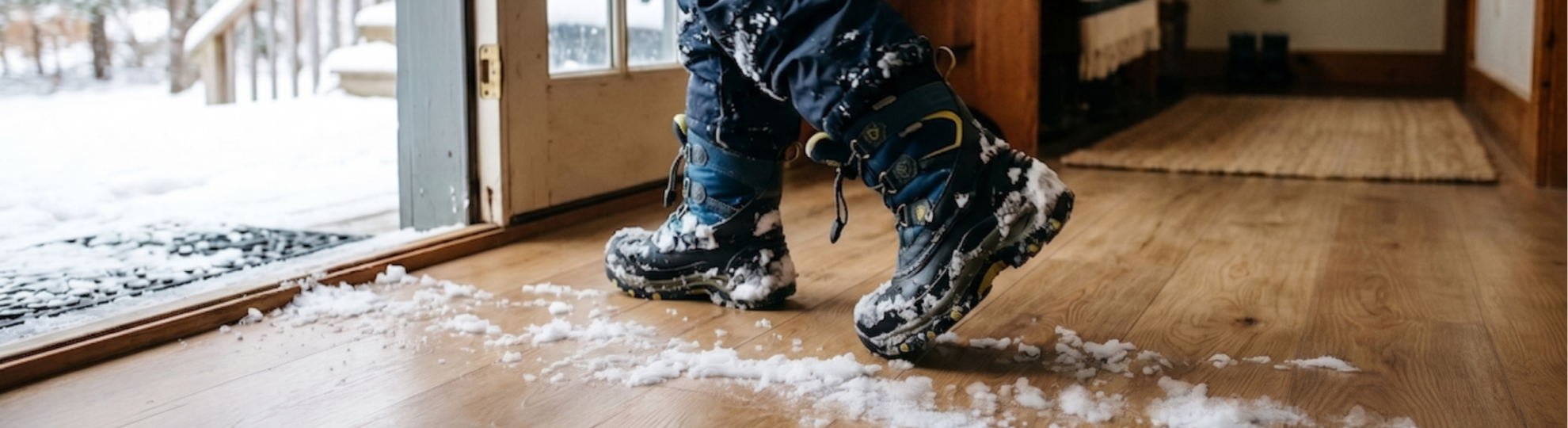
Which floor suits your home this winter? It is a question worth asking before the cold months arrive. The heating goes on, wet boots pile up at the door, and any wear or damage that has been quietly building all year becomes harder to ignore. It is also the time when the wrong product for your space really starts to show.
This guide walks through our three main types of flooring: solid timber, engineered timber, and laminate. Each has its place, and the right choice comes down to your space, how you use it, and how you want to look after it over time.
Solid Timber: The Long-Term Investment
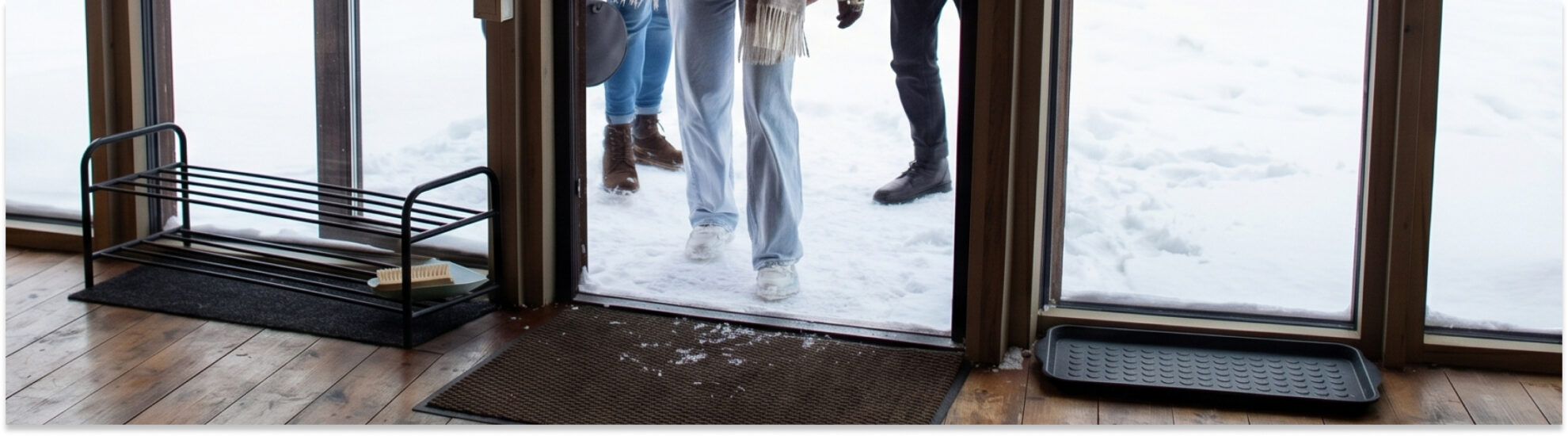
Solid timber is a full-depth hardwood board, typically 18mm to 20mm thick. It is the most traditional option and, when properly maintained, one of the most durable. A solid timber floor can be sanded and refinished multiple times over its lifetime, which means the floor you lay today can last for generations.
How it performs in winter
Solid timber responds to changes in humidity and temperature. When the heating is on and the air inside dries out, timber can contract slightly. When moisture levels rise, it can expand. In a well-insulated, well-ventilated New Zealand home this movement is generally manageable, but it does mean solid timber requires a stable environment to perform at its best.
Solid timber suits dry, stable areas well: main living rooms, bedrooms, and hallways away from exterior doors. It is not the ideal choice directly beside ranch sliders or in areas with significant moisture exposure.
The finish matters here too. At Just Hardwood Floors we work with oiled and hard wax oil finishes on solid timber. These finishes penetrate the board rather than sitting on top, which means the floor breathes naturally and is easier to maintain and repair. Spot repairs can usually be completed without sanding the entire floor, making ongoing maintenance much simpler than many people expect.
Engineered Timber: Stable, Versatile, and Built for More Spaces
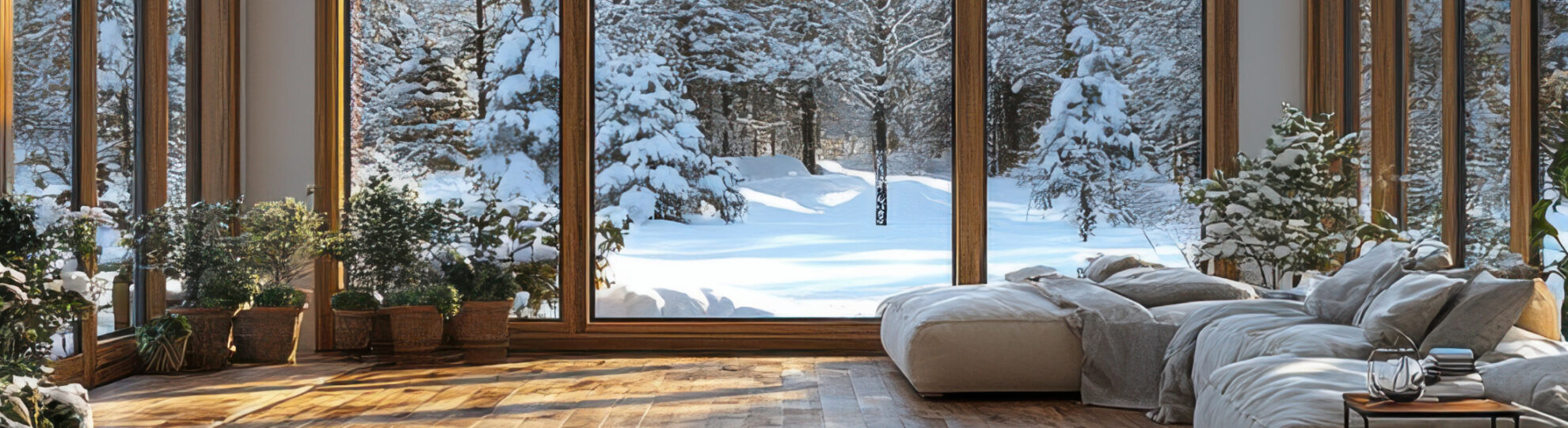
Engineered timber has a real hardwood veneer on top of a plywood or cross-laminated core, reducing seasonal movement and making it suitable for a wider range of spaces than solid timber.
How it performs in winter
Engineered timber is the right choice if your home has underfloor heating. The layered core handles the temperature cycling that underfloor heating creates, whereas solid timber can be more problematic in that situation. It also works well in areas with greater humidity variation, including spaces near ranch sliders or in open-plan homes where temperatures shift between rooms.
Pre-finished engineered flooring from brands like Quick Step, Pergo, and Hurford’s comes ready to lay with a durable factory finish. Just Hardwood Floors also carries the Euro-PRO and Euro-ProLoc oak ranges, which feature an oiled or hard wax oil finish and offer the same practical maintenance benefits as oiled solid timber.
If you want the look and feel of real timber with greater stability and a wider range of installation options, engineered timber is the practical choice.
Laminate: Practical, Durable, and Easy to Live With
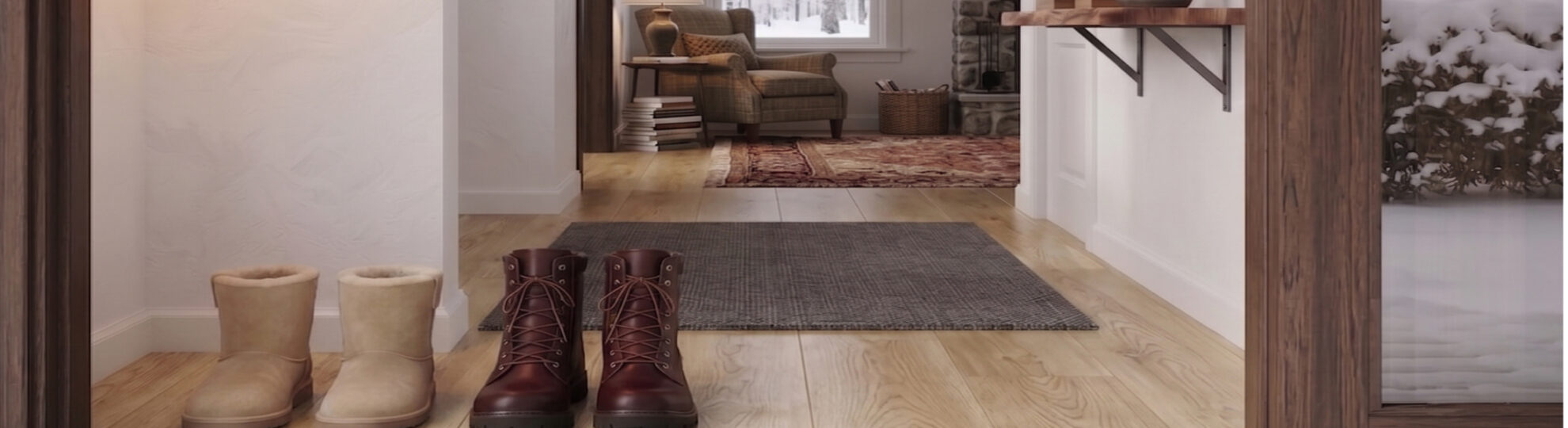
Laminate flooring is constructed from a high-density fibreboard core with a photographic layer and a protective wear surface. Modern laminate products from brands like Quick Step and Pergo are well-engineered, comfortable underfoot, and available in a wide range of timber-look finishes.
How it performs in winter
Laminate handles the demands of winter living well. It is scratch resistant, easy to clean, and holds up to heavy foot traffic at the door. It does not require oiling or refinishing, and spills can be wiped up without concern if addressed promptly.
The consideration with laminate is that it cannot be sanded or refinished. Once the wear layer is through, the board needs to be replaced. For high-traffic areas in a family home, choosing a laminate with a higher AC rating (AC4 or AC5) ensures it holds up over time.
Laminate is a good option for rental properties, high-traffic rooms, or spaces where practicality and budget are the primary considerations.
How to Choose for Winter
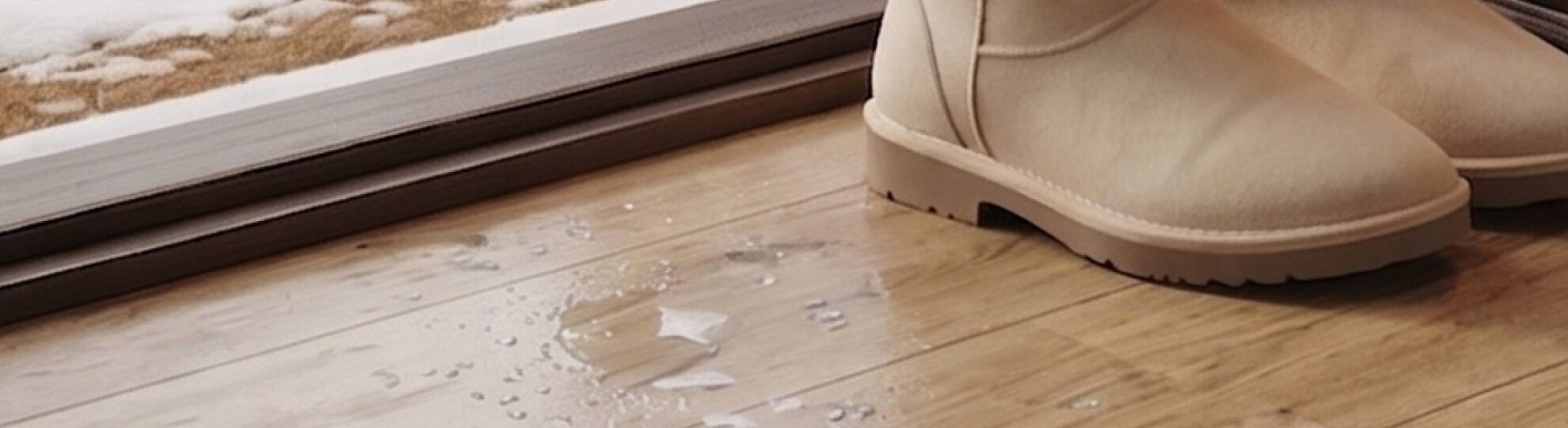
A few questions that help narrow it down:
Does your home have underfloor heating? Engineered timber is the suitable choice. Solid timber and laminate are generally not recommended for use over underfloor heating systems.
- Is the area close to an exterior door or ranch slider? Engineered timber or laminate will manage moisture exposure better than solid timber in these zones. Use mats at entry points regardless of what floor you choose.
Do you want a floor you can sand and refinish over time? Solid timber is the only option that allows full refinishing. Engineered timber can be lightly sanded depending on the veneer thickness, but laminate cannot.
What is your maintenance preference? Oiled and hard wax oil finishes on solid or engineered timber require periodic re-oiling, but repairs are simple to do yourself. Laminate requires no finishing but also cannot be repaired if damaged.
5 Quick Things to Know Before You Choose
- Solid timber moves with the seasons. It expands and contracts with changes in humidity and temperature. In a stable, well-heated home this is manageable, but it needs a consistent environment to perform well over time.
- Engineered timber suits underfloor heating. The stable core construction handles temperature cycling better than solid timber. If you have or are planning underfloor heating, engineered timber is the right starting point.
- Laminate is more hardwearing than most people expect. A quality laminate with an AC4 or AC5 rating is built for commercial-level foot traffic. It is a practical option for busy households and rental properties.
- The finish on timber flooring affects how easy it is to maintain. Oiled and hard wax oil finishes are repairable by spot treatment. Polyurethane coatings are harder to repair once breached. The right maintenance products matter too and using the wrong cleaner on an oiled floor will strip the finish.
- Winter is a good time to plan, not necessarily to lay. Humidity levels inside the home change as heating goes on. Letting new flooring acclimatise to your home before installation gives it a better start, particularly for solid timber.
What Our Team Recommends
"The question we get most often is whether timber flooring can handle a New Zealand winter. The honest answer is yes, with the right product and the right finish for your space. We take time to understand how each customer uses their home before recommending anything. A family with underfloor heating and young children has different needs to someone fitting out a rental or renovating a period home. Getting that match right at the start saves a lot of problems later."
The Just Hardwood Floors Team Tweet
Bottom line
Solid timber, engineered timber, and laminate each suit different spaces and different priorities. Solid timber offers longevity and the ability to refinish over time, but needs a consistent environment and the right maintenance system. Engineered timber handles more conditions, works with underfloor heating, and is a sound choice where humidity shifts through the seasons. Laminate is practical, hard-wearing, and easy to live with, making it well-suited to high-traffic areas and busy households.
Floors take more pressure through winter than at any other time of year. Getting the right match for your home, and looking after it properly, makes a real difference over the long term.
Find the Right Floor for Your Home
Whether you are renovating, building new, or upgrading a high-traffic space, our team can help you choose the right flooring for how you actually live. We supply a range of solid timber, engineered timber, and laminate options, and can advise on what suits your space before you commit to anything.