
Daily Life and Your Floor: What Really Wears It Down
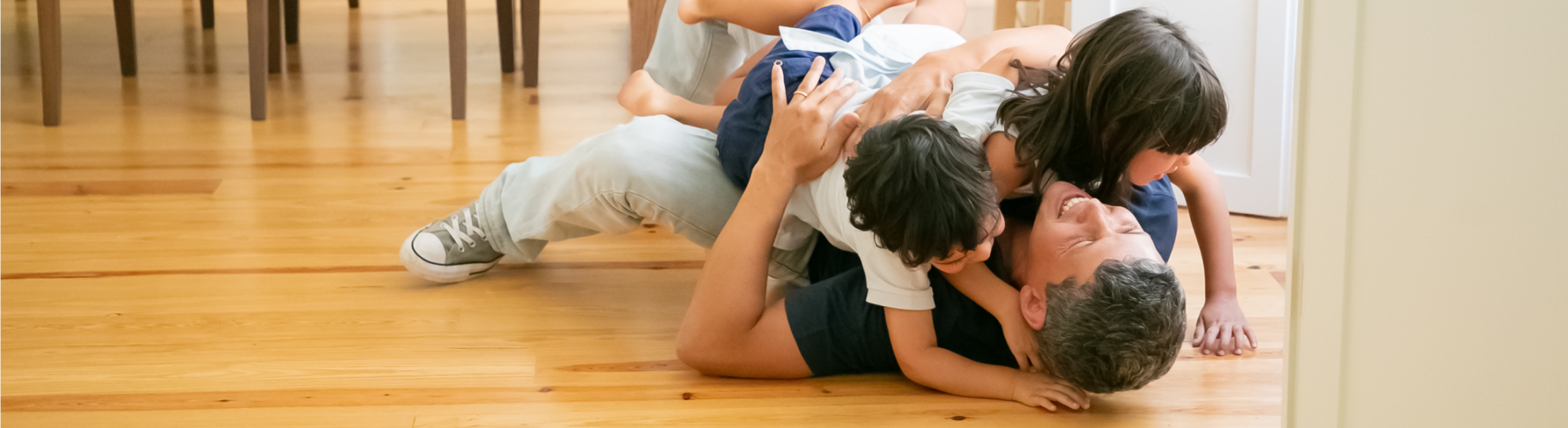
Muddy paws, moving chairs, dropped school bags and the morning rush. Your floor handles far more than footsteps.
Most flooring does not wear down because of one major accident. It happens gradually as dirt is walked inside, furniture moves across the same spot and small spills are left for a little too long.
Knowing what causes everyday wear can help you protect your current floor. It can also help you choose new flooring that suits the way your household actually lives.
Dirt and grit do more damage than footsteps
Foot traffic is part of daily life, but the dirt and grit carried inside can cause the real damage.
Fine particles become trapped beneath shoes, furniture and rugs. As people move through the room, that grit can act like sandpaper and gradually dull or scratch the surface.
Entrances, hallways, kitchens and living areas often show this wear first because they handle the most activity.
A few simple habits can help:
- Use good-quality mats at your main entrances.
- Remove outdoor shoes where practical.
- Sweep or vacuum regularly using a suitable hard-floor attachment.
- Clean beneath rugs and furniture where grit can collect.
When choosing new flooring, ask about scratch resistance and dent resistance separately. A surface that resists fine scratches may still mark under high heels, heavy furniture or concentrated pressure.
Chairs and furniture need the right protection
Dining chairs, bar stools and office chairs move across the same areas every day. Over time, this can leave scratches, dull patches or dents.
Fit felt pads beneath chair and table legs, and check them regularly. Once a pad becomes worn or collects grit, it can start marking the floor instead of protecting it.
Lift furniture rather than dragging it. If you use a rolling office chair, ask which protective mat is suitable for your flooring.
It also helps to think about how each room will be used before selecting a product. A busy dining room or home office may need different protection from a quiet bedroom, even if the same flooring runs throughout the house.
Pets bring more than muddy paws
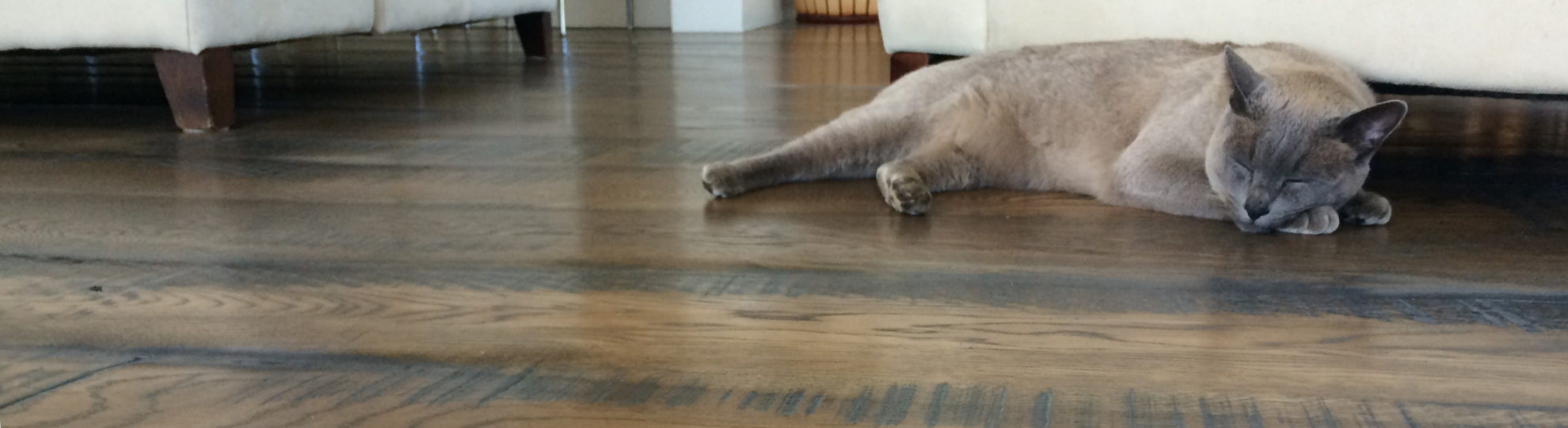
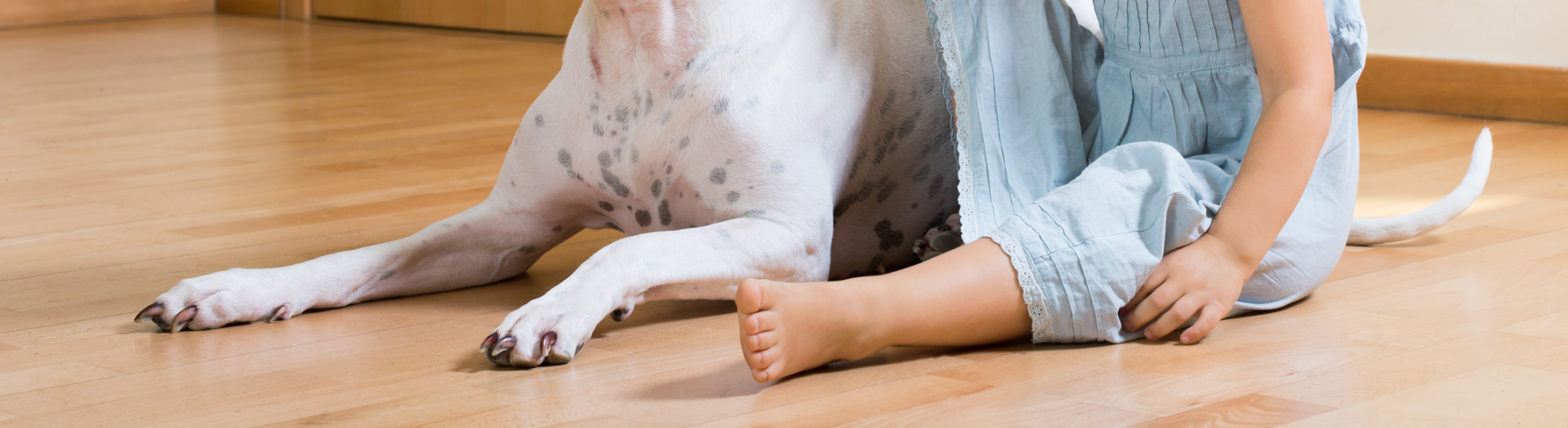
Pets can introduce outdoor grit, moisture, scratches and the occasional accident.
Keeping nails trimmed and wiping muddy paws will help reduce surface marks. Place a suitable mat beneath water and food bowls, but check underneath regularly to make sure moisture is not becoming trapped.
Clean accidents promptly using products approved for your particular floor. Avoid reaching for a harsh household cleaner, as it may damage or dull the finish.
No flooring is completely scratch-proof. If you have pets, ask how a particular product performs rather than relying only on a general “pet-friendly” description.
Some laminate flooring can offer practical scratch resistance and straightforward cleaning for homes with pets. Timber provides a natural surface with its own character, while the available repair and refinishing options will depend on the construction and finish.
The wrong cleaning routine can damage your floor
Cleaning should remove dirt without damaging the protective surface.
Too much water, steam cleaning, abrasive pads and unsuitable chemicals can affect some floors or leave a difficult residue behind.
Start by removing loose dirt and grit. Then use the cleaner and method recommended for your flooring. Where damp mopping is allowed, use a well-wrung mop rather than soaking the surface.
Different floors need different care. An oiled timber floor may require products that are unsuitable for a polyurethane finish. Laminate flooring has its own cleaning requirements too.
If you are unsure what to use, talk to JHF before applying a new cleaner, polish, oil or coating.
Follow JHF’s floor cleaning and maintenance guidance for your particular surface rather than assuming one cleaning routine suits every floor.
How Sunlight Changes Your Floor’s Colour
Natural light can gradually change the colour of timber and affect some flooring finishes. How noticeable the change becomes will depend on the material, finish, glazing and amount of exposure.
You may see a difference beneath a rug or sofa because the covered area has received less sunlight. Curtains, blinds and suitable window treatments can help manage exposure. Moving rugs periodically may also help reduce strong colour contrasts.
If the room receives a lot of direct sunlight, discuss this when choosing your flooring. A showroom sample shows the product’s starting appearance, but natural materials can develop and change over time.
Moisture needs to be dealt with quickly
Wet shoes, leaking appliances, damp mats, pet bowls and excessive cleaning water can all expose flooring to moisture.
Timber naturally responds to changes in moisture by expanding and contracting. Excessive exposure can contribute to swelling, cupping or other movement. Water entering laminate joints can also cause damage, depending on the product.
Engineered timber may provide greater dimensional stability than some solid timber flooring, but it is not waterproof. Water-resistant laminate products also have specific limits and care requirements.
Wipe up spills promptly, repair leaks and avoid leaving wet items against the floor. If you are planning new flooring, proper subfloor assessment and moisture testing before installation are just as important as choosing the product.
Which flooring suits a busy household?
There is no single flooring type that works for every home.
Start by considering:
- Which rooms receive the most foot traffic?
- Do you have children or pets?
- Is the room exposed to strong sunlight?
- How likely are spills or moisture?
- How much maintenance are you comfortable with?
- Do you want a floor that can be refinished in the future?
Solid timber flooring
Solid timber flooring provides genuine natural character and may be sanded and refinished in the future, depending on its condition and remaining thickness.
The timber species and finish will influence how it responds to scratches, dents and daily wear. It can be a good option for homeowners who value natural materials and are comfortable with timber gradually developing character.
Engineered timber flooring
Pre-finished engineered timber flooring combines a real timber surface with a layered construction. It provides the appearance of natural timber with greater dimensional stability than some solid timber options.
Performance and future sanding options will depend on the product, wear layer and manufacturer’s guidance. Compare individual ranges rather than assuming every engineered floor performs in the same way.
Laminate flooring
Laminate flooring can provide practical everyday care, good abrasion resistance and a wide selection of timber-look colours and finishes.
Quick-Step and Pergo both offer laminate options designed for active homes. Available features vary between ranges and may include enhanced surface protection and water-resistant technology.
Before choosing, compare the individual products and ask about:
- Scratch and dent resistance
- Water resistance
- Suitable rooms
- Cleaning requirements
- Installation
- Warranty conditions
Laminate cannot be sanded and refinished like timber. Choosing the right product from the beginning, and caring for it correctly, will help it perform well over time.
Find flooring that fits the way you live
The right floor should suit your daily routine, not make you work around it.
Talk to JHF about your busiest rooms, pets, children, sunlight and cleaning preferences. We will help you compare the options and choose flooring that works for your home.