
Timber Floor Maintenance: Scrub Clean vs Maintenance Coat
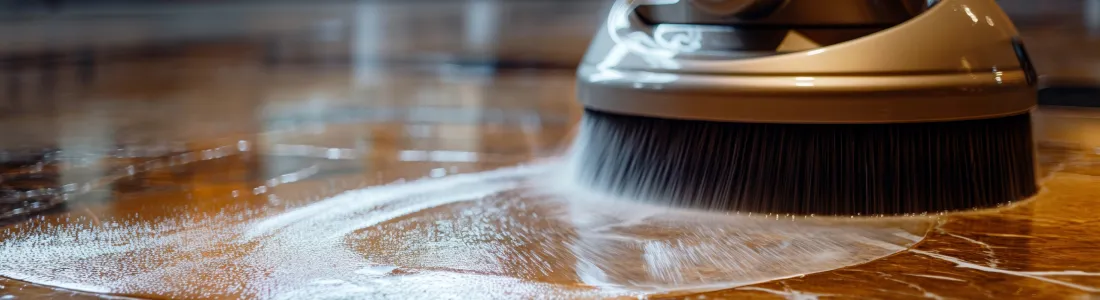
Timber floors are built to last but even the best wooden flooring will eventually start to show signs of everyday wear.
Over time you may notice the finish looking dull, small scratches appearing, or certain areas of the floor wearing faster than others. Many homeowners assume the only solution is a full floor sanding and refinishing, but in many cases that isn’t necessary.
Often, a scrub clean and maintenance coat can restore the appearance of your floor and extend its life without the time, cost, and disruption of a full sand.
For Auckland homes and businesses, this type of timber floor maintenance is one of the most effective ways to keep floors looking their best while protecting the existing finish.
In this guide, we explain what a scrub clean and maintenance coat involves, when it’s the right option, and how it compares with full floor sanding.
What Is a Scrub Clean and Maintenance Coat?
A scrub clean and maintenance coat is a professional timber floor rejuvenation process designed to refresh the existing oiled or hard waxed finish.
Rather than sanding the timber back to bare wood, this process focuses on cleaning, refreshing and nourishing your floor.
Scrub Clean
- Remove built-up dirt and grime
- Remove any residues that have built up from cleaning products
- Remove any oils and/or contaminants embedded in the finish from everyday living
- Remove any surface marks and scuffs
Maintenance Coat
Once the floor is thoroughly cleaned, a maintenance oil coat and/or hard wax coat is applied.
This new coat will:
- Refresh the floor's surface
- Enhance the sheen and colour
- Nourish the floor
Key Signs Your Timber Floor Needs Maintenance
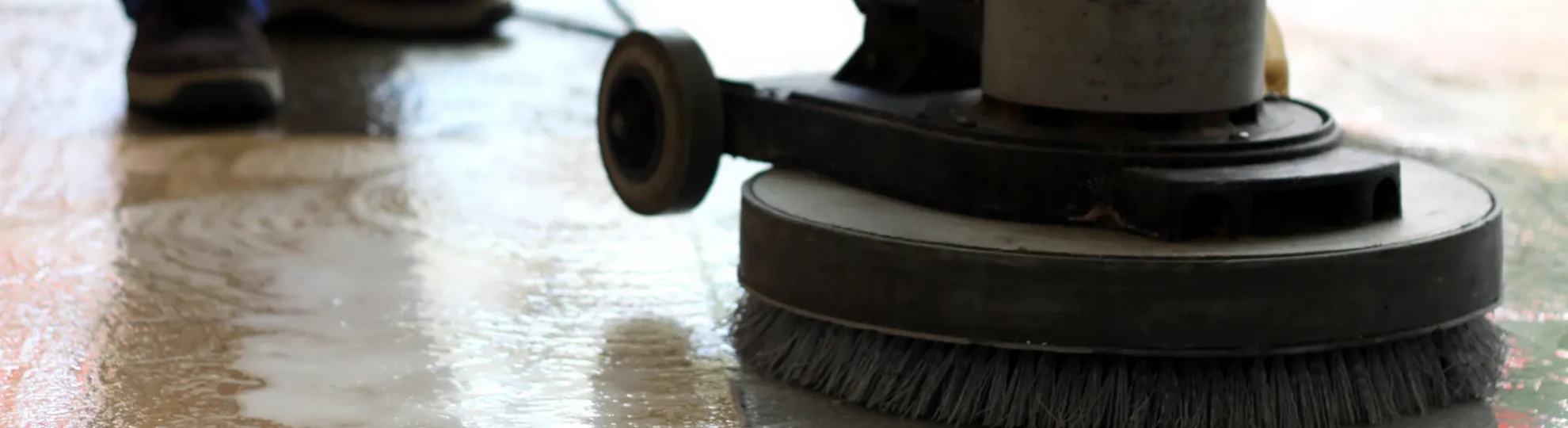
Many timber floors don’t need sanding yet, they simply need the finish refreshed.
Here are some common signs your floor may benefit from a hardwood floor refresh rather than full sanding.
Dull or Tired Appearance
- Everyday foot traffic
- Cleaning product residue
- Minor surface wear
Visible Wear Patterns
- hallways
- living rooms
- entryways
- kitchens
often show wear first.
If the finish is worn but the timber itself is still intact, a maintenance coat can protect these areas before deeper damage occurs.
Light Scratches and Scuffs
Minor surface scratches are common on timber flooring.
These typically affect the finish layer rather than the wood itself.
A floor maintenance coat can significantly improve the appearance of these marks.
Uneven Sheen
You may notice certain parts of the floor appear shinier or duller than others.
This usually means the finish has worn unevenly, another situation where recoating can help restore consistency.
Scrub Clean and Maintenance Coat vs Full Floor Sanding
Scrub Clean and Maintenance Coat
- Faster process
- Less disruption to your home or business
- More cost-effective
- Refreshes and nourishes your timber floor
- Prevents the need for premature sanding
Full Floor Sanding
- Required when damage cannot be rectified by a scrub and clean
- Used when colour changes or major restoration is required
Common Mistakes (and What to Avoid)
Waiting Too Long Before Recoating
Using the Wrong Cleaning Products or Equipment
- Build up residues that will harm the finish
- Dull and dry out the finish
- Interfere with the stain resistance of the oil and/or hard wax finish
- Use of a steam mop or wet mopping will compromise an oiled and/or hard waxed floor
Attempting DIY Recoating
Assuming All Floors Need Sanding
Expert Recommendations
If you’re planning to install new timber or laminate flooring, there are a few important factors to keep in mind.
Choose quality products
A well-manufactured flooring product will perform better and last longer.
Work with certified flooring installers
Manufacturer-certified installers understand the product and follow installation guidelines carefully.
Allow time for proper preparation
Rushing installation can lead to mistakes. Proper subfloor preparation and planning are essential.
Think about long-term performance
The right flooring should not only look good when installed but continue performing well for years.
Working with experienced flooring specialists helps ensure every step of the process is done correctly.
Ideal Situations for a Maintenance Coat
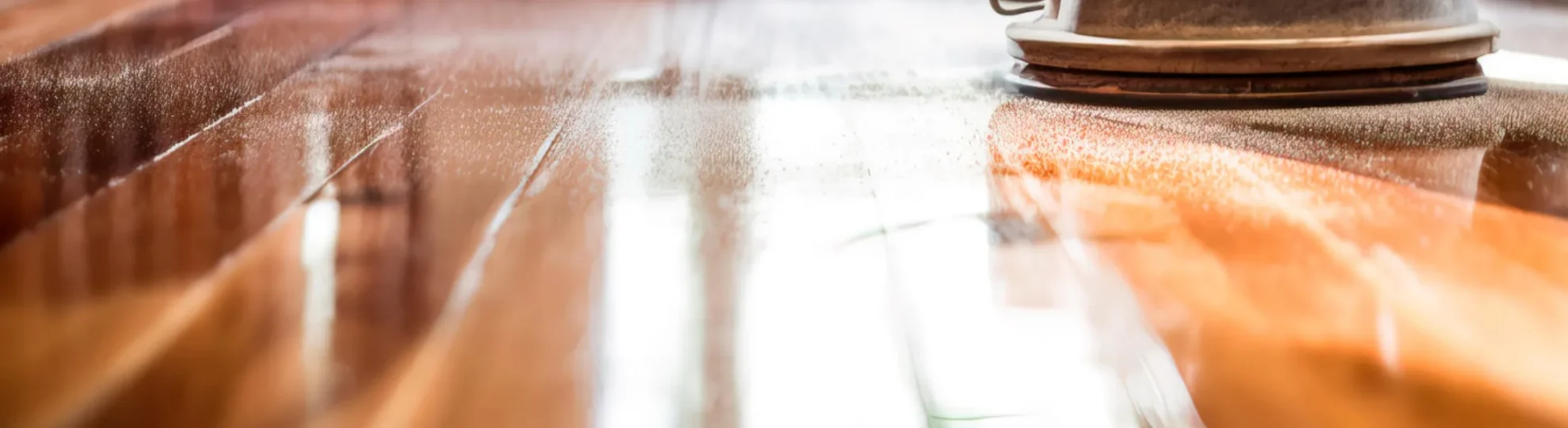
A scrub clean and maintenance coat is especially useful in several common situations.
High-Traffic Homes
Preparing a Home for Sale
A hardwood floor refresh can significantly improve the appearance of a property.
Clean, polished timber flooring is a major selling feature in many Auckland homes.
Preventative Maintenance
Applying a maintenance coat before serious wear occurs is the most cost-effective approach to timber floor care.
Lightly Worn Floors
Timeframes and Disruption Expectations
One of the biggest advantages of a scrub clean and maintenance coat is the reduced disruption. Compared with full sanding, the process is significantly faster and cleaner.
Typical expectations include:
- Faster completion time
- No sanding dust
- Shorter drying periods
- Less disruption to the home or workplace
The Bottom Line
Not every worn timber floor needs a full sand.
In many cases, a scrub clean and maintenance coat can restore the appearance of your floor and extend its lifespan.
For Auckland homeowners and businesses, this approach provides a practical way to maintain beautiful timber floors without unnecessary sanding.
If your wooden flooring looks dull, worn in high-traffic areas, or lightly scratched, it may simply need a professional timber floor maintenance treatment.
A professional inspection can determine the best solution for your floor.
5 Quick Things to Know
- A scrub clean removes built-up dirt, oils, and cleaning residues from timber floors.
- A maintenance coat restores the protective finish without sanding the timber.
- Recoating early helps prevent the need for full floor sanding.
- High-traffic areas often benefit from preventative maintenance.
- Professional timber floor cleaning and recoating can significantly extend the life of your flooring.
Key Takeaways
- Timber floors often need maintenance rather than full sanding.
- A scrub clean and maintenance coat refreshes the existing finish.
- Early recoating helps prevent deeper timber damage.
- This process is faster and less disruptive than sanding.
- A professional inspection ensures the right solution for your flooring.
Not sure whether your floor needs a maintenance coat or full sanding?
The team at Just Hardwood Floors can inspect your flooring and recommend the best solution based on its condition.
Book a floor assessment or get expert advice on your flooring today.